
If you have been told you need a bone graft before receiving dental implants, you’re not alone. Some estimates suggest that nearly half of all implant procedures involve some form of bone grafting. It sounds more complex than it is. And in many cases, the right treatment approach can reduce or even eliminate the need for grafting entirely.
At Manhattan Arch Collective, we want you to walk into your consultation with clarity. Here is what bone grafts for tooth implants actually involve, why they matter, and what options exist for those who want to move forward with confidence.
What are Bone Grafts for Tooth Implants?
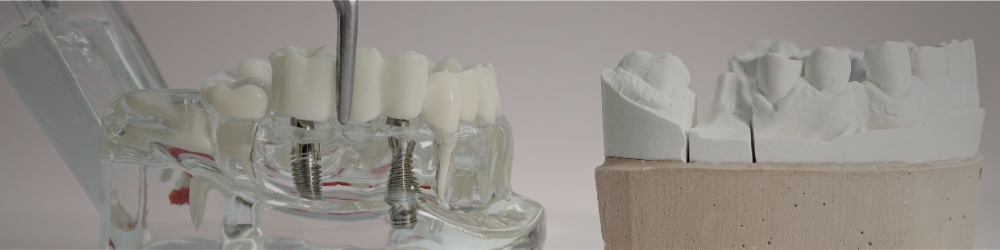
A bone graft is a procedure that rebuilds the jawbone to create a stable foundation for dental implants. Graft material is placed at the site of bone loss, where it acts as support. Over time your body generates new bone tissue around and through the graft, restoring the volume and density needed to support an implant post.
The procedure itself is routine in implant dentistry. It’s performed under local anesthesia or sedation, and most patients report minimal discomfort during recovery.
Why Would you Need a Bone Graft Before Implants?
Dental implants rely on a process called osseointegration, where the titanium post fuse directly with the jawbone. For this to succeed, there must be sufficient bone density at the implant site.
Bone loss occurs naturally after teeth are removed. Without the stimulation that tooth roots provide, the surrounding bone begins to deteriorate. Patients who have been missing teeth for months or years, have worn traditional dentures, or have a history of periodontal disease often present with diminished bone structure.
For patients interested in full arch dental implants, the condition of the jawbone across the arch must be evaluated. A comprehensive consultation, including 3D imaging, allows us to determine whether grafting is necessary and if so, where.
What Types of Bone Grafts Are Used in Implant Dentistry?
Not all bone grafts are the same. The type recommended for you depends on the location and extent of the bone loss. The most common approaches include:
Socket Preservation: Performed immediately after a tooth is extracted, this graft fills the empty socket to prevent bone loss from happening before implant placement.
Ridge Augmentation: When bone loss has already reduced the jaw ridge, grafting material is placed along the ridge to rebuild it to a suitable dimension for implants.
Sinus Lift: For implants in the upper back jaw, the sinus is gently elevated and graft material is placed beneath it to increase bone height. As uneasy as this might sound, this is one of the most well documented grafting techniques in implant dentistry.
Graft materials range from autografts (your own bone) to allografts (donor bone), xenografts (animal-derived bone), and synthetic options. Your specialist will recommend the material best suited to your specific situation.
Can You Get Dental Implants Without a Bone Graft?
In many cases, yes. This is one of the most significant advantages of modern full arch implant techniques.
All-on-4 dental implants use four strategically positioned posts to support an entire arch of prosthetic teeth. The two posterior implants are placed at an angle, anchoring into the denser regions of the jaw. This approach allows many patients with moderate bone loss to receive implants without any grafting at all.
For patients who need additional support, All-on-X with five or six implants offer even greater flexibility. By targeting the strongest areas of bone, we can often design a treatment plan that bypasses the need for separate grafting procedures.
This does not mean bone grafting is never necessary for full arch cases. Some patients with severe bone loss still benefit from grating. The key is working with a team that has the expertise to evaluate every option and recommend the best path forward. In some cases, same-day dental implants allow patients to receive functional teeth on the day of their procedure, with no separate grafting appointment required.
What to Expect: Recovery and Success Rates
When bone grafting is absolutely necessary, the clinical outcomes are excellent. A study tracking 80 bone grafts over 70 months reported a 100% success rate, with implants placed in grafted bone achieving a 97% survival rate – nearly identical to non-grafted outcomes.
Recovery timelines vary depending on the type and extent of the graft. Initial healing typically takes one to two weeks, with full bone integration occurring over three to six months. More complex grafts, such as sinus lifts, may require additional healing time.
Your Next Step
Whether you need a bone graft or not, the most important first step is a thorough evaluation by a team that specializes in implant dentistry. At Manhattan Arch Collective, we use advanced 3D imaging to assess your bone structure and design a plan tailored to you.
Schedule your free consultation today.