
You have spent years managing the limitations of failing or missing teeth. The poor fitting dentures. The self-conscious pauses before speaking. The meals you quietly avoid. When you finally decide to explore dental implants, one question rises above the rest: how long do dental implants last?
It’s a fair question, and it deserves a direct answer rooted in evidence rather than vague promises. The reality is that dental implants are the longest-lasting tooth replacement option available today. With the right team, the right materials, and the commitment to ongoing care, they can last you for decades. And for many patients, a lifetime.
At Manhattan Arch Collective, we believe you deserve full clarity before making this decision. Here is what the science shows, what factors matter most and how our approach is designed to maximize the longevity of your results.
How Long Do Dental Implants Last?
Understanding implant durability starts with understanding the implant itself. What most people refer to as “dental implants” are actually a group of components and each part has a different expected lifespan.
The Implant Post
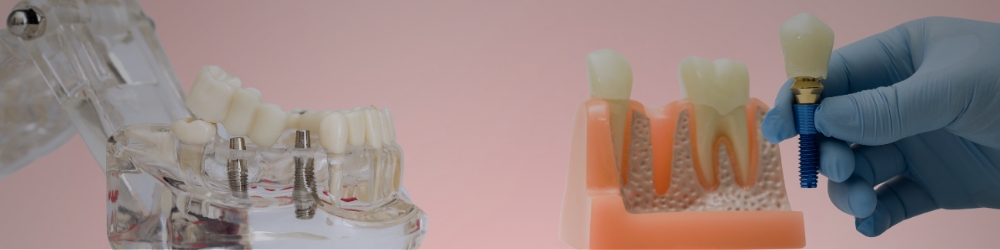
The implant post is a small titanium screw placed directly into the jawbone. Through a process called osseointegration, the bone fuses around the post, creating a foundation that functions like a natural tooth root. Titanium is the gold standard for this procedure because of its exceptional biocompatibility and resistance to corrosion.
With proper care, the implant post is designed to last a lifetime. It does not decay or weaken with age in a way that natural tooth roots can. Once fully integrated, it becomes a permanent part of your anatomy.
The Prosthetic Teeth
The visible portion of the restoration, whether a single crown or a full arch, is subject to the same wear that affects natural teeth over time. Prosthetic teeth typically last 10-15 years before they require replacement, depending on the material used. Premium materials like zirconia offer superior durability and stain resistance compared to its counterparts. The material selection matters tremendously, and it’s one of the many areas where working with a specialist team makes a major difference.
What Does the Research Say About Dental Implants?
The data on dental implant longevity is exceptionally strong. A large-scale study tracking over 10,800 implants across 22 years reported a survival rate of 96.8% at 10 years and 94% at 15 years. These numbers reflect real world outcomes, not controlled laboratory conditions.
For those wondering about the truly long term, a 2024 analysis titled “How far can we go?” examined 20 years of implant data and reported a survival rate of 92%, with 4 out of 5 implants still functioning successfully after two full decades. However, perhaps the most compelling is a 25 year study that observed patients throughout that time. Those patients saw a 95% implant survival rate at the 25 year mark.
The takeaway is clear, when implants are placed with precision and maintained with care, they deliver results that no other tooth replacement option can match.
What Factors Affect How Long Dental Implants Can Last?
Implant lifespan is not left to chance. Several factors determine whether your implants will serve you for a decade or for a lifetime.
Oral Hygiene
Daily brushing, flossing, and the use of antimicrobial mouthwashes remain essential, even with implants. While the implant post itself cannot develop cavities, the surrounding gum tissue and bone are still vulnerable to infection.
Peri-Implantitis, an inflammatory condition affecting the tissue around an implant, is the leading threat to long-term implant success. Inadequate oral hygiene and the resulting buildup of plaque are consistently identified by research as the primary risk indicators. Regular professional cleanings and checkups, typically every 6 months, allow your care team to monitor implant health and intervene early if any concerns arise.
Smoking and LifeStyle Habits
Smoking is one of the most significant factors for implant complications. Tobacco use restricts blood flow to the gums, slows healing after surgery, and creates a more favorable environment for harmful bacteria. Patients who commit to eliminating tobacco use before and after implant placement give themselves the strongest possible foundation for long-term success.
Bone Density and Overall Health
A strong, healthy bone is the anchor that holds everything in place. Patients with adequate jawbone density experience better osseointegration and better long-term outcomes. For those with bone loss, grafting procedures can rebuild the foundation before implant placement.
Health conditions also play a vital role in how long your implants last. Managing conditions like diabetes and maintaining overall health directly supports the longevity of your implants.
Do Full Arch Implants Last as Long as Single Tooth Implants?
For patients replacing an entire arch of teeth, the question of lifespan takes on added importance. The good news is full arch implants demonstrate excellent long-term performance when properly planned and maintained.
All-on-4 uses four strategically positioned posts to support an entire arch of teeth. The titanium posts are designed to last for decades, while the prosthetic arch typically requires refurbishment after 10-15 years of daily use. Zirconia prosthetics in particular, offer exceptional durability and natural appearance that holds up over time.
However, some patients benefit from additional implant posts for enhanced stability. All-on-X solutions customized to your bone density allow for five, six or more implants per arch, distributing forces more broadly. This tailored approach is especially valuable for patients with complex bone structures or those who want the highest level of long-term security.
When it comes down to it, the key differentiator for full arch longevity is the same as it is for single implants: the skill of the surgical team and the patient’s commitment to ongoing care.
Why A Dual-Specialist Team Makes a Difference
Most dental practices that offer implants do so as one service among many others. Manhattan Arch Collective operates differently. Our focus is full arch dental implant restoration, and our team is built specifically for this work.
Our board-certified oral surgeon and prosthodontist collaborate on every case from start to finish. The oral surgeon brings the mastery of surgical placement, ensuring each implant is positioned for optimal results and long-term stability. While the prosthodontist designs the restoration with precision, accounting for bite alignment, force distribution, and aesthetics.
This collaborative model means nothing is left to guesswork. Every decision, from implant angle to prosthetic design is made by specialists whose career is dedicated to this procedure. It is an elevated standard of care that directly contributes to the longevity of your results.
Your Next Step Towards a Permanent Smile
If you are considering full arch dental implants, the most important decision you will make is choosing the team that will plan, place and maintain your implants. At Manhattan Arch Collective, every system and every specialist is dedicated to one thing: delivering permanent results that stand the test of time.
Schedule your free consultation today. Let us show you what is possible when implant dentistry is all we do.